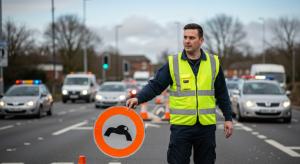
If you’ve driven through roadworks in Australia, you’ve probably seen people in high-visibility vests holding a stop/slow bat or managing traffic flow. These are traffic controllers—trained professionals whose role is critical to keeping both the public and workers safe. But their job is much more than waving cars through.
With billions of dollars being invested into Australian roads and infrastructure, traffic controllers are now a vital part of every project. In this blog, we’ll explore what a traffic controller does day to day, why their role is so important for safety and efficiency, and why choosing a professional provider like Spotto Traffic Control is the smart decision for your next project.
Understanding the Role of a Traffic Controller

Traffic controllers manage the safe and efficient movement of vehicles, machinery, and pedestrians around worksites and events. Whether a traffic controller is working on a highway upgrade in Brisbane or a construction site on the Gold Coast, their role is vital for maintaining safety and preventing disruption. While their tasks may look simple, their job requires training, focus, and real-time decision-making skills.
A Day in the Life of a Traffic Controller
On a typical day, a traffic controller may:
- Direct traffic using a stop/slow bat or portable signals.
- Communicate constantly with supervisors, machine operators, and other workers.
- Monitor conditions to spot hazards such as bad weather, accidents, or breakdowns.
- Respond quickly to emergencies to keep people safe.
Every decision they make helps protect workers, drivers, and pedestrians. Without them, worksites would be unsafe and chaotic.
Why Traffic Controllers Are Essential on Modern Roads
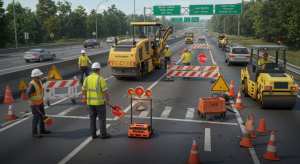
Australia’s infrastructure boom means more road upgrades, new transport projects, and public works than ever before. The federal and state governments have committed more than $120 billion in transport infrastructure funding over the next decade (Infrastructure Australia, 2023). This scale of activity would not be possible without trained traffic controllers to keep projects moving and communities safe.
What a Traffic Controller Brings to Safety & Efficiency
Once you understand what traffic controllers do, it becomes clear why they are so valuable. Their work is about far more than just directing vehicles—it’s about balancing safety and efficiency on every project.
Safety First – Protecting Workers, Drivers, and Pedestrians
Traffic controllers serve as a protective barrier between fast-moving vehicles and vulnerable workers. They help prevent collisions, reduce near-misses, and create safer passage for pedestrians.
| Category | Statistic | Source |
| Total worker fatalities (2022) | 195 | Safe Work Australia (2023) |
| % of fatalities involving vehicles | 42% | Safe Work Australia (2023) |
| Average annual roadwork zone crashes | 18 fatal crashes per year | Herald Sun (2023) |
Their presence also improves driver safety. Motorists often encounter confusing conditions at roadworks or events. A traffic controller provides clear, confident direction to reduce driver stress and keep everyone calm.
Streamlining Worksite Efficiency
Safety isn’t the only benefit. Skilled traffic controllers also keep projects on schedule. They:
- Minimise congestion by sequencing vehicle movements.
- Ensure trucks and machinery can access worksites smoothly.
- Use technology such as two-way radios, message boards, and in some cases, advanced systems like SCATS (Sydney Coordinated Adaptive Traffic System) to manage flow.
For project managers, this means fewer delays, less public frustration, and smoother project delivery.
Building Trust Through Compliance & Training
Traffic control in Australia is regulated, and controllers must be accredited through nationally recognised units of competency. Two common qualifications are:
- RIIWHS205E – Control Traffic with Stop/Slow Bat
- RIIWHS302E – Implement Traffic Management Plans
These standards ensure every controller is trained to handle real-world risks. At Spotto, our team doesn’t just meet the minimum standards—we exceed them. Every controller is supported with ongoing training, up-to-date safety practices, and the right equipment for the job.
This commitment to compliance builds trust with clients, councils, and the communities where we work.
Why Hiring a Professional Traffic Controller Plan by Spotto Is Worth It

Now that we’ve covered what traffic controllers do and why their role matters, the next question is: who should you trust with this responsibility? Choosing a professional provider like Spotto Traffic Control delivers confidence, compliance, and results.
Testimonial Inclusion
“Working with Spotto was a breeze—their team handled all our permits, traffic plans, and on-site control smoothly and professionally. Projects stayed on schedule, and we didn’t have to worry about compliance or safety interruptions.”
— Construction Manager, Brisbane Infrastructure Project
Professional Expertise Backed by Experience
Spotto brings years of experience supporting civil works, utilities, road upgrades, and major events across Australia. Our team understands the unique challenges of each project, from managing heavy traffic on motorways to coordinating safe pedestrian access at community events.
With this experience comes efficiency. We know how to set up worksites quickly, keep projects moving, and respond fast if conditions change.
End-to-End Traffic Control Planning
Spotto is more than a supplier of traffic controllers—we provide complete traffic management solutions, including:
- Site risk assessments and hazard analysis.
- Traffic management plans prepared to meet council and regulatory approvals.
- On-site controllers, vehicles, and specialist equipment.
- Coordination with contractors, councils, and government authorities.
This end-to-end service saves project managers time and ensures no detail is overlooked.
Peace of Mind for Project Managers & Event Organisers
When you engage Spotto, you get more than trained staff—you get a trusted partner. We handle compliance, keep workers and the public safe, and minimise disruptions to the community. That means you can focus on delivering your project or event on time and on budget.
By choosing Spotto, you’re investing in safety, professionalism, and reliability.
Conclusion & Call to Action
Traffic controllers play a vital role in keeping Australia’s roads and worksites safe. From directing traffic at roadworks to ensuring smooth flow at public events, their work protects lives and reduces delays.
But the real difference comes when you choose a professional team. With Spotto, you get accredited controllers, full planning support, and the peace of mind that every detail is handled.
Ready to secure certified traffic controllers for your next project? Contact Spotto today to get a tailored traffic management plan.
Additional information about traffic control is available at these sites:
– What Is Traffic Management and Why It Matters on Aussie Roads
– Career Progression in Traffic Control Jobs: Roles, Pay & Growth
– Traffic Controller Course Modules Explained – What to Expect & How to Get Certified
– Count As Spotto
– QLD Traffic Road Closures: Spotto Provides Real-Time Support
– Understanding Regulatory Traffic Signs in QLD: Safety, Compliance, and Spotto’s Role