Regulatory traffic signs in Queensland aren’t just instructions on the road—they’re official rules that help keep everyone safe. These signs tell drivers what they must or must not do. Think of signs like “Stop,” “Speed Limit,” “No Entry,” or “Detour.” Without them, driving would be confusing and dangerous.
At Spotto Traffic Control, we help make sure your site or event follows all traffic signs QLD rules. If you’re running a construction project or event, you need to use the right signs. This guide explains what these signs are, why they matter, and how Spotto helps you stay safe and follow the law.
What Are Regulatory Traffic Signs?
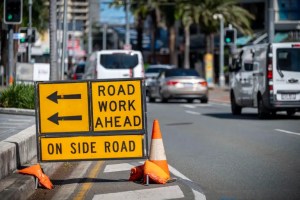
Regulatory traffic signs are signs that show laws drivers must follow. If drivers ignore them, they can be fined. Examples include:
- Speed limit signs
- Stop and Give Way signs
- No Entry signs
- Clearway signs
- One Way signs
In Queensland, these traffic signs QLD follow the Manual of Uniform Traffic Control Devices (MUTCD), managed by the Department of Transport and Main Roads (TMR).
These signs use clear colours and shapes. For example, red circles usually mean “Don’t do this,” like no U-turns or stopping. Rectangle signs often give directions or extra details.
If traffic signs QLD particularly in busy corridors like those around the Gold Coast are missing or put in the wrong place, they can cause crashes or confusion. That’s why Spotto only sends trained staff who know how to set up signs the right way.
Why These Signs Matter for Safety and Law
Regulatory signs help keep roads safe in Queensland. Here’s why they’re important:
- Same rules everywhere – Drivers know what signs mean, no matter where they are.
- Safety – They help avoid crashes and confusion, especially during roadworks.
- Legal rules – The wrong signs can get you fined or stop your project.
- Better traffic flow – Signs help cars move smoothly even during detours.
As Austroads (2022) explains, using signs properly lowers crash risks and helps drivers stay alert. Spotto takes this seriously. That’s why we provide all signs and handle set-up, checks, and removal.
If your site doesn’t have the right signs, you could be shut down by the council or fined. Our team makes sure you’re using signs that match the law the first time.
Common Regulatory Signs Used in QLD Worksites
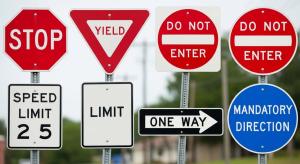
Roadworks and events in Queensland use many signs. Here are some common ones:
| Sign Type | What It Does | Based On |
| Speed Limits | Slows cars near work zones | MUTCD & TMR Guidelines |
| Stop/Slow Signs | Used by traffic controllers | Traffic Controller Rules |
| Road Closed | Blocks access to unsafe areas | TMR Rules |
| No Entry Signs | Stops people going the wrong way | QLD Road Rules Act |
| One Way Signs | Tells traffic which way to go | MUTCD Rules |
Spotto uses traffic signs QLD the right way. We plan for each site’s layout and traffic flow to ensure full compliance and safety. Our signs are easy to see, even at night or during bad weather. We also use reflective materials or solar-powered lights for better visibility.
In construction areas or during busy events, traffic signs QLD must be extra clear to prevent confusion. That’s why we use additional supports and high-contrast colours. Even small errors in sign placement can cause delays or safety risks.
How Spotto Ensures Compliance with Traffic Signs in QLD
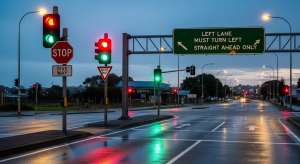
Spotto makes it simple to follow traffic signs QLD laws. Here’s how we help:
1. Site Checks and Planning
We visit your site and check important details like:
- Road speed and layout
- Where people and cars will move
- Danger zones or tricky areas
- Emergency vehicle access
Then we make a custom Traffic Management Plan (TMP). It shows where to place signs and what types are needed.
2. Trained Traffic Controllers
Our workers are trained and certified. They set up signs, use handheld stop/slow signs, and adjust things as needed during the job.
3. Short and Long Jobs
Whether your project lasts one day or six months, we support you. We install signs before the work starts and take them down when it’s done.
4. Regular Sign Checks
We inspect signs regularly. If a sign falls or gets blocked by weather, we fix or move it quickly.
5. Electronic Sign Options
For some jobs, we use digital signs with changing messages. These work well for night jobs, emergencies, or public warnings.
Pros and Cons: Doing It Yourself vs. Hiring Spotto
| Option | Good Points | Possible Problems |
| Doing Signs Yourself | You control everything | Easy to make mistakes, not always legal |
| Working with Spotto | Legal signs, safer setup, expert team | Costs more at first but saves in the long run |
Working with Spotto saves time and lowers your risks. We know the laws and how to apply them safely.
Final Thoughts
Queensland has clear rules about regulatory traffic signs, especially at worksites and public events. Using the wrong signs can delay your job or cause safety problems.
With Spotto Traffic Control, you get expert help. We handle everything—checking your site, choosing the right signs, putting them in the right spots, and checking them during the job.
As the Queensland Government (2023) explains, signs are a legal must for safety and proper traffic flow. With Spotto, you’re not just following rules—you’re protecting lives.
Talk to Spotto Today
Need help with traffic signs QLD for your worksite or event? Don’t take risks. Call the professionals who understand local rules and safety.
Let’s build safer roads together.
Call Spotto at 1300 560 939 or visit spottotc.com.au to get a quote.
New to Traffic Control? Learn the Basics Here.
- Career Progression in Traffic Control Jobs: Roles, Pay & Growth
- Traffic Controller Course Modules Explained – What to Expect & How to Get Certified
- Book Certified Controllers for Traffic QLD Events
- QLD Traffic Road Closures: Spotto Provides Real-Time Support
What to Look for in a Trusted Traffic Management Company (And Why Spotto is the Right Choice in NSW)
How QLD Traffic Cameras Support Effective Traffic Management: From Awareness to Action
How Traffic Control Plans Work: From Visual Overview to Custom Solutions for Events and Worksites