Are you considering a career in traffic control but not sure what the training involves — especially on the Gold Coast? You’re not alone. Thousands of Australians every year take the first step into this high-demand field by completing a nationally recognised traffic controller course. Whether you’re looking for a job with flexible hours, steady income, or a pathway into construction and civil works, understanding how the training works is the best way to get started.
In this post, we’ll guide you through what you’ll learn in a traffic control course, break down each module step-by-step, and show you how Spotto can help you get certified and job-ready.
What You’ll Learn in a Typical Traffic Control Course
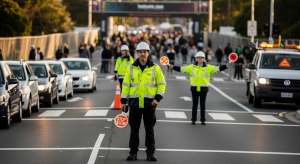
Before stepping onto a worksite, it’s important to understand what traffic controller training involves. This part of the blog is for people in the awareness stage—those who are exploring whether this path is right for them.
Introduction to Traffic Management Principles
The first thing you’ll learn is what a traffic controller actually does. This includes how to manage vehicle flow on or near construction sites, how traffic control protects workers and drivers, and the rules that keep everyone safe.
You’ll also explore basic traffic management plans and understand how different worksites operate. This foundation sets you up to approach the job with confidence, whether you’re working in urban roads, highways, or private construction zones.
Understanding Signage & Communication Tools
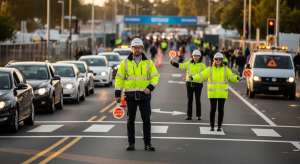
One of the most visible parts of the role involves using equipment like stop/slow bats, signage, and two-way radios. These tools are used to guide traffic through work zones and keep everyone informed. Your course will teach you how to operate them correctly while staying alert and clear in all weather and road conditions.
Legal & Safety Requirements in Australia
Australia takes worksite safety seriously—especially in high-risk industries like traffic control. As part of your training, you’ll learn how to comply with Work Health and Safety (WHS) laws, assess risks on-site, and use personal protective equipment (PPE) correctly.
To show how important training is in reducing incidents, here’s a simple cause-and-effect table:
| Unsafe Practice | Potential Consequence | Prevented By |
| No formal traffic control training | Unsafe stops, accidents, driver panic | Nationally accredited traffic controller course |
| Poor PPE usage | Injury from vehicles or tools | Mandatory PPE compliance & training |
| Ignoring risk assessments | Hazard exposure, worker injuries | WHS education and onsite planning modules |
| Miscommunication on site | Confused drivers, unsafe road entry | Radio training & stop/slow bat procedures |
According to Safe Work Australia (2023), the work-related injury rate was 3.5% in 2021–22, with construction being one of the highest-risk sectors. This makes traffic control training more than a requirement—it’s a key part of keeping yourself and others safe.
Traffic Controller Course Modules Explained
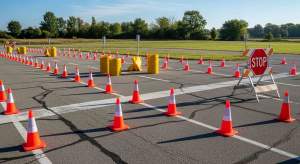
Now that you understand the basics, it’s time to move to the consideration stage—the part where you’re seriously thinking about enrolling in a traffic controller course and want to know exactly what you’ll be learning.
Module 1 – Prepare to Work Safely in the Construction Industry (White Card)
Before you can work on any construction site in Australia, you must complete White Card training. This module teaches you how to:
- Recognise common worksite hazards
- Respond to incidents and emergencies
- Follow WHS procedures
- Communicate safety concerns
It’s the foundation for anyone entering the construction or traffic control industries.
Module 2 – Control Traffic with a Stop-Slow Bat
This hands-on module is where you learn to direct traffic using stop/slow bats, hand signals, and verbal instructions. You’ll also learn how to:
- Monitor and adapt to changing traffic conditions
- Communicate with other workers and drivers
- Use radios to relay messages to other team members
This unit prepares you for real-life traffic situations and develops your ability to make quick, safe decisions.
Module 3 – Implement Traffic Management Plans
This traffic controller course teaches you how to interpret and apply a Traffic Guidance Scheme (TGS) or Traffic Management Plan (TMP). You’ll cover:
Identifying suitable signs and barriers for different environments
Setting up and removing signage safely
Understanding and responding to site conditions
Being able to apply a traffic plan is essential if you want to advance into roles with more responsibility.
Module 4 – Theory & Practical Assessments
After completing the modules, you’ll be tested through a mix of written quizzes and practical demonstrations. These assessments confirm that you’ve understood the materials and can apply them confidently on a live site.
Optional – Traffic Guidance Schemes (TGS) Overview
If you’re planning to move into supervisory or planner roles, you might consider additional training in TGS design. This module isn’t mandatory for entry-level work but is ideal for career development.
Get Certified: Spotto’s Comprehensive Traffic Controller Program

You’ve learned what’s involved and what to expect—now it’s time to take the next step toward becoming a certified traffic controller. At this stage, you’re in the decision-making phase, and we’re here to help you move forward with confidence.
Why Choose Spotto? Industry Expertise & Accreditation
Spotto is a Registered Training Organisation (RTO) with years of experience delivering traffic control training across New South Wales. Our courses are nationally recognised and aligned with SafeWork NSW and Australian Skills Quality Authority (ASQA) standards.
WorkSafe Victoria stresses the importance of targeted, risk-based training in high-risk sectors—backed by robust safety programs and qualified instructors—rather than stating that ‘industry veterans’ alone can reduce incidents (WorkSafe Victoria, 2023).
What’s Included in Spotto’s Training Package?
Our training package is designed to give you everything you need from day one:
- Training materials and manuals
- PPE guidance
- Access to qualified trainers and support staff
- Both in-person and practical sessions
- Step-by-step help to apply for your licence
We don’t just teach you—we help you succeed beyond the classroom.
From Enrolment to Employment: Your Next Steps
Once you finish the course, Spotto helps you through the process of getting licensed and connecting with employers in your area. We work closely with major contractors, infrastructure projects, and traffic management providers who often recruit directly from our training pool.
Many of our graduates find job placements within weeks of completing the course, especially during peak infrastructure seasons in NSW.
Ready to Start Your Career in Traffic Control?
If you’re looking for a secure, flexible, and essential career path, becoming a traffic controller is a smart move. The skills are in demand, and the work contributes directly to road safety and public infrastructure.
Enrol today in Spotto’s nationally recognised Traffic Controller Course and take the first step toward a rewarding career.
Click here to book your course now
New to Traffic Control? Learn the Basics Here.
- What Is Traffic Management and Why It Matters on Aussie Roads
- QLD Traffic Road Closures: Spotto Provides Real-Time Support
- Understanding Regulatory Traffic Signs in QLD: Safety, Compliance, and Spotto’s Role
- Book Certified Controllers for Traffic QLD Events
What to Look for in a Trusted Traffic Management Company (And Why Spotto is the Right Choice in NSW)
How QLD Traffic Cameras Support Effective Traffic Management: From Awareness to Action
How Traffic Control Plans Work: From Visual Overview to Custom Solutions for Events and Worksites