Australia’s booming infrastructure sector is creating one of the fastest-growing career paths in the country — the traffic control job. With major transport upgrades, renewable energy projects, and urban developments underway, trained and certified traffic controllers have never been in higher demand.
Whether you’re considering a career in traffic management or seeking qualified professionals for your worksite, understanding where the opportunities are expanding — and why — can help you plan with confidence.
How Infrastructure Growth Drives Demand for Traffic Control

Australia is in the middle of a long-term construction and infrastructure expansion. From road upgrades to large-scale transit systems, traffic control has become an essential part of keeping these projects safe, compliant, and efficient.
Major Infrastructure Projects Powering Job Growth
Across New South Wales, Queensland, and Victoria, billions are being invested in public infrastructure.
Projects such as Sydney Metro, Cross River Rail in Brisbane, and Victoria’s Big Build are all driving employment in the traffic management industry. These works require teams of certified traffic controllers to ensure safe movement of vehicles, machinery, and pedestrians around active sites.
According to Infrastructure Australia’s 2024 Market Capacity Report, transport infrastructure investment is projected at AU$126 billion, making up 59% of the major public infrastructure pipeline. However, this figure reflects a downward revision of $32 billion from prior forecasts. This continued investment directly translates into new traffic control job opportunities nationwide.
Why Traffic Control Is Essential for Safety and Efficiency
Traffic controllers do more than hold stop/slow signs — they are trained professionals responsible for implementing traffic management plans (TMPs) and ensuring worksite safety compliance. Their role helps protect workers, road users, and the public from hazards associated with construction zones and roadworks.
Safe Work Australia (2023) states that businesses have a legal duty to ensure workers and road users are not exposed to health and safety risks when managing vehicle movements near worksites. Certified traffic controllers help companies meet these WHS legal requirements by managing on-site risks and ensuring all road users are guided safely around work zones.
Traffic Control Job: Where opportunities are expanding in Australia

With Australia’s infrastructure sector continuing to grow, demand for skilled traffic controllers is spreading across multiple regions and industries. Let’s look at where — and how — these opportunities are expanding.
The Fastest-Growing Regions for Traffic Control Jobs
| State / Territory | Key Infrastructure Projects / Drivers | Impact on Traffic Control Jobs |
| New South Wales (NSW) | Road safety upgrades, Sydney Metro, Western Sydney Airport | Boosted demand for certified traffic controllers due to large-scale urban projects |
| Queensland (QLD) | 2032 Brisbane Olympics, major road and transport projects | High demand for new entrants and certified traffic control professionals |
| Victoria (VIC) | Ongoing infrastructure programs, VicRoads and WorkSafe compliance | Increased need for both traffic controllers and site supervisors across multiple projects |
Each state has its own training and certification requirements, but all rely on accredited courses aligned with Safe Work and Transport agency standards. Employers in these regions actively seek candidates with recognized qualifications such as Traffic Controller (TC), Implementer (IMP), and Basic Worksite Traffic Management (BWTM) certifications.
Skills and Certifications That Make You Stand Out
Success in a traffic control job comes down to a mix of technical knowledge, alertness, and safety awareness. Accredited training — like the kind offered through approved providers — ensures you understand how to:
-
- Implement temporary traffic management (TTM) setups safely
-
- Interpret traffic management plans (TMPs)
-
- Use signage and control devices correctly
-
- Respond quickly in changing conditions
Certification also helps maintain consistency across Australia’s roadwork sites. In New South Wales, for example, Transport for NSW requires competency cards for all controllers and implementers, while Main Roads WA mandates BWTM + TC accreditation for high-risk worksites.
Building a Long-Term Career in Traffic Management
Traffic control isn’t just an entry-level job — it’s the start of a stable and rewarding career. Many professionals progress into supervisory, auditing, or planning roles after gaining experience on worksites.
Because traffic management supports every major infrastructure project, there’s ongoing demand for experienced personnel across public and private sectors. From roadwork safety management to event traffic coordination, the need for qualified controllers is continuous and evolving.
Get a Quote: Supply Traffic Control Jobs for Your Project

If you’re managing a construction, maintenance, or public event project, you already know how critical compliant traffic management is to keeping operations running smoothly. Working with a certified provider like Spotto Traffic Control ensures your site meets safety and legal standards every time.
Why Partner with a Certified Traffic Management Provider
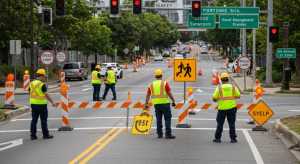
When you partner with Spotto, you gain access to fully trained and accredited staff who understand both state and national compliance frameworks. Spotto’s team operates under Safe Work Australia, Transport for NSW, and Main Roads WA regulations — giving you peace of mind that every aspect of your site’s traffic plan meets the required codes of practice.
Choosing a certified provider also helps reduce your liability. Spotto’s controllers are trained to identify and manage hazards before they become issues, helping your team stay safe and your project stay on schedule.
Trusted by Leading Projects Across NSW and QLD
Spotto Traffic Control has built a strong reputation for reliability and professionalism. The team supports projects of all sizes — from small maintenance works to major infrastructure builds — across New South Wales, Queensland, and surrounding regions.
Their commitment to safety, compliance, and clear communication makes them a trusted partner for contractors, councils, and government agencies alike.
Get a Tailored Quote Today
Every worksite is different — which is why Spotto offers custom traffic management solutions based on your specific project needs. Whether you require short-term coverage or a fully managed service, their experts can design a compliant traffic management plan that meets local regulations and keeps your people safe.
Ready to keep your project compliant and efficient?
Contact Spotto Traffic Control today for a tailored quote or to discuss your upcoming project. Their experienced team is here to help you plan, staff, and deliver your traffic management needs with confidence.
Conclusion
The future of Australia’s infrastructure is bright — and so are the opportunities for skilled traffic controllers. As government investment continues to expand, qualified professionals will remain in high demand across multiple industries.
For businesses, working with a compliant and experienced provider like Spotto Traffic Control ensures your site runs smoothly, safely, and in full compliance with WHS and transport standards.
Whether you’re looking to start a traffic control job or need certified professionals for your next project, the time to act is now — because safety never takes a break.
FAQ – Traffic Control Jobs in Australia
1. Is traffic control a good job in Australia?
Yes. Traffic control is a stable and in-demand job across Australia due to ongoing infrastructure, transport, and construction projects. It offers competitive hourly rates, flexible shifts, and clear career progression into supervisory and traffic management planning roles.
2. What qualifications do I need for a traffic control job in Australia?
You must complete an accredited traffic control course approved by your state authority. Common certifications include Traffic Controller (TC), Implementer (IMP), and Basic Worksite Traffic Management (BWTM). A White Card is also typically required for construction worksites.
3. Which states have the highest demand for traffic control jobs?
New South Wales, Queensland, and Victoria currently have the highest demand due to large infrastructure projects such as Sydney Metro, Brisbane’s Olympic upgrades, and Victoria’s Big Build programs.
4. How much do traffic controllers earn in Australia?
Traffic controllers in Australia typically earn between $30 and $45 per hour, depending on location, experience, and project type. Night shifts, weekend work, and remote projects may offer higher rates.
5. Can traffic control be a long-term career?
Yes. Many professionals progress from entry-level traffic controller roles into traffic management implementation, supervision, auditing, or traffic planning positions. With infrastructure investment continuing nationwide, long-term demand remains strong.
6. Do I need experience to start a traffic control job?
No prior experience is required. However, you must complete state-accredited training and meet safety compliance requirements before working independently.
7. Why is traffic control important on construction sites?
Traffic control ensures safe movement of vehicles and pedestrians around worksites. It reduces accident risks, protects workers, and helps businesses comply with Work Health and Safety (WHS) laws and transport authority regulations.
8. How do companies hire certified traffic controllers?
Businesses typically partner with accredited traffic management providers who supply trained, licensed, and compliant personnel. This ensures safety standards are met and reduces legal liability.
For a comprehensive guide on Traffic Control, visit these resources:
- Traffic Management Company Pricing and Costs Explained
- Understanding Regulatory Traffic Signs in QLD: Safety, Compliance, and Spotto’s Role
- Common Situations That Lead to Traffic Infringement Notices (And How to Avoid Them)
- Career Progression in Traffic Control Jobs: Roles, Pay & Growth
- The Role of Traffic Management in Construction Projects
- How Traffic Control Plans Work: From Visual Overview to Custom Solutions for Events and Worksites