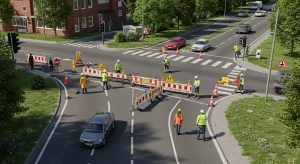
Every day across Australia, roadworks, infrastructure upgrades, and community events rely on safe traffic management whether you’re working on a development in the Gold Coast or a highway upgrade in regional NSW, choosing the right traffic control provider is critical for safety, compliance, and operational efficiency to keep people and projects moving. Yet, traffic-related hazards remain one of the biggest risks to workers, drivers, and pedestrians. Without proper planning and oversight, even a small mistake can result in serious accidents or costly delays.
That’s why traffic control companies play such a crucial role. Their expertise helps prevent hazards before they happen, protecting lives while ensuring projects stay compliant and on schedule. In this article, we’ll explore the most common traffic-related hazards, practical ways to prevent them, how traffic control companies manage safety, risk, and insurance, and finally, what you should look for in a company’s safety record before making your choice.
Common Hazards and How They’re Prevented
| Hazard | Typical Risks | Prevention Strategies |
| Vehicle collisions in work zones | Lane reductions and driver confusion lead to crashes | Advance warning signage, speed limit reductions, crash barriers |
| Pedestrian exposure at sites/events | People wandering into active lanes or machinery areas | Fencing, designated walkways, traffic controllers guiding crossings |
| Weather impacts (rain, fog, heat) | Reduced visibility, slippery surfaces, poor driver reaction | Reflective signage, VMS boards, proper lighting, weather-responsive plans |
| Heavy machinery and site vehicles | Limited visibility, sudden movement around worksites | Controlled entry/exit points, staggered scheduling, on-site spotters |
Proactive Strategies to Prevent These Hazards

Clear Signage & Road Markings
Signs that conform to Australian Standards (AS 1742) must use retroreflective materials to be visible at night. Sign mounting height, lateral offset, and advance‐warning distances are governed by the standard and vary by road speed, sign type, and local conditions. Standards require that signs be placed so drivers have sufficient time to see, understand, and react.
Trained Traffic Controllers
Certified traffic controllers do more than wave stop/slow bats. They are trained to monitor flow, anticipate hazards, and react quickly when conditions change. Their presence reduces risks for both workers and road users.
Technology & Monitoring Tools
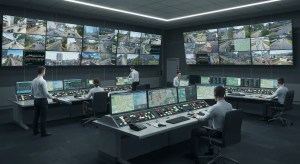
Modern traffic management integrates Variable Message Signs (VMS boards), CCTV, and digital radios. These tools allow for real-time adjustments if conditions change suddenly, ensuring hazards are managed quickly.
Safety Culture & Ongoing Training
Companies with strong safety cultures encourage reporting hazards before they escalate. Regular training updates keep crews ready to respond to evolving risks and compliance requirements.
How Traffic Control Companies Manage Safety, Risk & Insurance
Transitioning from awareness to action means understanding what professional support looks like. Here’s how traffic control companies take safety management to the next level:
| Area of Management | What It Means | Why It Matters for Clients |
| Risk Assessments | Site inspections, hazard mapping, and customised traffic management plans | Reduces on-site risks, ensures compliance before work begins |
| Insurance Coverage | Public liability, workers’ compensation, and project-specific cover | Protects clients from financial exposure if incidents occur |
| Regulatory Compliance | Securing permits and meeting state/local laws | Prevents fines, delays, and costly project shutdowns |
| Collaboration | Working with councils, contractors, and emergency services | Ensures smooth project delivery and coordinated response if issues arise |
What to Look for in a Traffic Control Company’s Safety Record & Credentials
At the decision-making stage, clients want assurance they’re choosing the right partner. Here’s what to focus on when evaluating providers:
| Criteria | What to Check | Why It Matters |
| Safety Records & Incident Reports | Historical data on accidents, near-misses, and risk incidents | Demonstrates the company’s ability to manage hazards effectively |
| Accreditation & Certifications | RIIWHS205E (Control Traffic with Stop-Slow Bat), ISO standards, local compliance | Confirms staff are trained and processes meet national safety benchmarks |
| Client Testimonials & Case Studies | References from similar projects or industries | Provides social proof and evidence of real-world performance |
| Insurance & Liability Coverage | Public liability, workers’ compensation, project-specific policies | Protects clients from financial exposure in case of incidents |
| Transparency & Communication | Clear contracts, documented processes, guarantee of service quality | Shows professionalism and builds trust before engagement |
Traffic-related hazards can never be completely eliminated — but with the right strategies, they can be controlled and reduced. From clear signage to trained traffic controllers and advanced monitoring technology, prevention is always possible. Partnering with an experienced traffic control company ensures compliance, protects lives, and keeps projects on track.
At Spotto Traffic Control, we pride ourselves on a safety-first approach backed by accredited staff, strong compliance, and a proven record of supporting projects across Australia. Whether you’re planning roadworks, construction, or a major event, our team delivers tailored traffic management solutions built around safety and efficiency.
Customer Review
“Working with Spotto Traffic Control was a game-changer for our construction project. Their team provided a comprehensive Traffic Management Plan that addressed all our compliance needs, and their on-site implementation ensured smooth operations without delays.”
— John D., Project Manager, Construction Industry
Ready to make your next project safer and compliant? Contact Spotto today to speak with our team and get a customised traffic management plan.
Frequently Asked Questions (FAQ)

1. What exactly do traffic control companies do?
Traffic control companies plan, implement, and monitor safe traffic flow around construction sites, events, and roadworks. Their services include signage setup, lane management, pedestrian protection, and coordination with authorities to ensure safety and compliance.
2. Why is it important to hire a certified traffic control company?
Certified companies employ trained staff, follow national safety standards (like RIIWHS205E and AS1742), and carry the necessary insurance. This ensures reduced risk of accidents, legal compliance, and protection for both workers and the public.
3. How do traffic control companies reduce accidents at work zones?
They conduct thorough risk assessments, install clear signage and barriers, deploy trained traffic controllers, and use technology like VMS boards or real-time monitoring to manage hazards effectively.
4. What should I check before hiring a traffic control company?
Key considerations include safety records, staff certifications, client testimonials, insurance coverage, and transparent communication about procedures and guarantees.
5. Can traffic control companies manage emergencies or unexpected hazards?
Yes. Experienced companies create flexible traffic management plans that allow for quick adjustments in case of accidents, road blockages, or sudden weather changes.
For further details on Traffic Control, please refer to the following resources:
- Traffic Management Company Pricing and Costs Explained
- Understanding Regulatory Traffic Signs in QLD: Safety, Compliance, and Spotto’s Role
- Common Situations That Lead to Traffic Infringement Notices (And How to Avoid Them)
- Career Progression in Traffic Control Jobs: Roles, Pay & Growth
- The Role of Traffic Management in Construction Projects
- How Traffic Control Plans Work: From Visual Overview to Custom Solutions for Events and Worksites