

Planning an event is exciting — but managing traffic is often the part organisers underestimate. Whether it’s a festival, community celebration, sporting event, or public gathering, large crowds can quickly turn local roads into congestion zones if movement is not carefully planned.
In Brisbane, event organisers must balance safety, compliance, and public convenience while keeping vehicles and pedestrians moving smoothly. This is where traffic control Brisbane services play a critical role. Professional traffic management helps prevent delays, reduces risks, and ensures events run safely from start to finish.
This guide explains how large events avoid traffic chaos, how professional planning works, and why hiring experienced traffic control specialists can make all the difference.
How Large Events Manage Traffic Flow Without Chaos

Large events temporarily change how roads function. Streets designed for normal daily traffic suddenly handle thousands of people arriving and leaving within short time windows, making traffic control Brisbane planning essential for maintaining order and safety.
Without structured planning, problems appear quickly — blocked intersections, unsafe crossings, frustrated drivers, and delayed emergency access.
Successful events treat traffic management as a core safety system, not just an operational detail, with traffic control Brisbane strategies ensuring smooth crowd movement and reduced risk for everyone involved.
Why Traffic Becomes the Biggest Risk at Large Events
Traffic risks increase when vehicles and pedestrians share limited space. Entry and exit periods are especially challenging because crowd movement happens all at once.
Common issues include:
- Vehicles stopping unexpectedly near entrances
- Pedestrians crossing outside designated areas
- Ride-share congestion
- Overflow parking in nearby neighbourhoods
- Restricted emergency vehicle access
Research shows that crowd and traffic planning significantly reduces incident risk during public events when proper control measures are implemented (Queensland Government, 2023).
From real-world experience, the highest pressure moment is often after the event ends, when attendees leave simultaneously. Planning safe exit routes is essential.
The Role of Professional Traffic Controllers
Traffic controllers do far more than direct vehicles. At organised events, they act as safety coordinators who manage real-time movement.
Their responsibilities include:
- Managing temporary road closures
- Directing traffic into safe access points
- Supervising pedestrian crossings
- Maintaining emergency routes
- Communicating with event staff and authorities
Professional controllers follow approved traffic management plans and adjust strategies as conditions change. This proactive approach prevents confusion and keeps traffic predictable.
Common Traffic Mistakes Event Organisers Make
Many organisers try to manage traffic internally, which often leads to problems.
Frequent mistakes include:
- Applying for permits too late
- Using untrained volunteers to direct traffic
- Poor signage placement
- Underestimating departure traffic volumes
- Lack of contingency planning
Safe Work Australia guidance notes that working around traffic is high-risk and that uncontrolled or poorly planned traffic movements can lead to serious injuries or fatalities, making effective traffic management essential for workplace safety (Safe Work Australia, 2021).
Avoiding these mistakes begins with early planning and professional guidance.
Benefits of Early Traffic Planning
Starting traffic planning early helps events operate smoothly.
Early coordination allows organisers to:
| Benefit | How It Helps Your Event |
| Secure council approvals faster | Proper planning ensures traffic management documents meet local Brisbane council requirements, reducing approval delays. |
| Identify safety risks early | Risk assessments highlight potential hazards before the event, allowing preventative safety measures. |
| Improve visitor experience | Smooth traffic flow reduces congestion, confusion, and long wait times for attendees. |
| Reduce neighbourhood disruption | Planned traffic routes minimise noise, parking overflow, and complaints from nearby residents. |
| Manage insurance and compliance requirements | Structured traffic plans demonstrate duty of care and help meet legal and insurance obligations. |
Professional traffic planners often begin assessments weeks before large events to ensure all safety measures are in place.
Event Planning Guide: Using Traffic Control Brisbane for Safe Crowd Movement
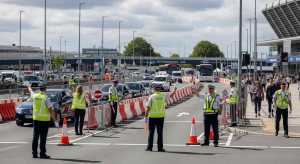
When organising events in Brisbane, traffic management must align with local council rules and Queensland road safety standards. Experienced providers follow structured planning methods built from real operational experience.
When Brisbane Events Legally Require Traffic Control
Traffic control is typically required when events affect public roads or pedestrian safety, making traffic control Brisbane services essential for maintaining order, compliance, and public protection.
Situations that may require professional management include:
-
Lane closures or road diversions supported by traffic control Brisbane planning to prevent congestion and confusion
-
High pedestrian activity near traffic where trained controllers help reduce accident risks
-
Event equipment vehicles entering roadways requiring coordinated vehicle movement and safety supervision
-
Public gatherings impacting normal traffic flow that need structured traffic direction and clear safety measures
Councils often require an approved Traffic Management Plan before issuing permits. Working with experienced professionals ensures documentation meets compliance standards from the start.
How Traffic Control Brisbane Services Plan Event Flow
Professional traffic control teams follow a clear planning process.
| Step | Description |
| Site Assessment | Specialists inspect roads, entry points, and surrounding infrastructure to identify access points and potential challenges. |
| Risk Assessment | Potential hazards are identified, including congestion areas, visibility issues, and pedestrian-vehicle conflicts. |
| Traffic Management Plan Development | A detailed plan outlines controller positions, signage placement, vehicle routes, and pedestrian pathways. |
| Equipment Deployment | Safety devices such as barriers, cones, signs, and lighting towers are installed prior to the event. |
| Live Monitoring | Controllers adjust traffic flow in real-time throughout the event to respond to changing conditions and prevent congestion. |
This structured approach helps prevent last-minute disruptions.
Designing Safe Crowd Movement Zones
Safe events separate pedestrians and vehicles whenever possible.
Effective planning includes:
- Dedicated pedestrian pathways
- Clearly marked crossings
- Drop-off and pick-up zones
- Accessible routes for mobility needs
- Emergency vehicle lanes
Good layout design reduces confusion and keeps crowds calm — a key factor in event safety.
Equipment Used in Professional Event Traffic Control
Modern traffic control relies on specialised equipment to communicate clearly with drivers.
Common tools include:
- Temporary road signage
- Traffic cones and barriers
- Portable lighting towers
- Electronic message boards
- Two-way communication systems
Clear visual guidance improves driver response times and reduces accident risks, especially during night events or poor weather conditions.
How Traffic Controllers Coordinate With Event Teams
Traffic control works best when integrated with the wider event operation.
Controllers regularly coordinate with:
- Event organisers
- Security teams
- Emergency services
- Venue management
- Local authorities
This collaboration ensures fast decision-making if conditions change unexpectedly.
Cost Factors for Traffic Control Brisbane Events
Traffic control costs vary depending on event requirements.
Key factors include:
- Event size and attendance
- Duration of road management
- Number of controllers required
- Equipment and signage needs
- Permit requirements
Professional planning helps allocate resources efficiently, preventing unnecessary expenses.
Hire Event Traffic Control Specialists in Brisbane for Seamless Event Operations

As Brisbane events grow larger and regulations become stricter, professional traffic management has become essential for safe operations.
Experienced specialists help organisers focus on delivering memorable experiences while safety professionals manage road risks.
Why Professional Event Traffic Control Makes or Breaks an Event
Well-managed traffic often goes unnoticed — and that’s the goal. Smooth movement allows attendees to arrive and leave safely without frustration.
Professional traffic control helps:
- Protect public safety
- Maintain event schedules
- Reduce organiser stress
- Prevent complaints from surrounding communities
- Support emergency readiness
Experienced teams anticipate problems before they become visible to attendees.
What to Look for in a Brisbane Traffic Control Provider
When choosing a provider, organisers should look for:
- Certified and trained traffic controllers
- Experience with Brisbane council requirements
- Proven event management capability
- Modern equipment and communication systems
- Reliable scheduling and support
Selecting an experienced provider significantly reduces operational risk.
Why Event Organisers Choose SPOTTO Traffic Control
SPOTTO Traffic Control supports events across Brisbane and surrounding Queensland regions with a practical, safety-first approach.
Their services include:
- Professional event traffic planning
- Fully compliant traffic management solutions
- Skilled and certified controllers
- Advanced safety equipment
- End-to-end operational support
By combining planning expertise with on-site experience, SPOTTO helps events operate smoothly while meeting local safety standards.
Plan a Safer Event with Expert Traffic Control Brisbane Services
Traffic planning is one of the most important investments an event organiser can make. Proper management protects attendees, supports compliance, and ensures a positive experience for everyone involved.
If you are planning an event in Brisbane, working with experienced professionals can prevent costly problems before they arise.
Contact SPOTTO Traffic Control today to:
- Discuss your event requirements
- Receive a tailored traffic management plan
- Request a fast, transparent quote
Partner with trusted traffic control specialists and keep your event moving safely from start to finish.
Frequently Asked Questions (FAQs)
What is traffic control for events?
Traffic control for events involves managing vehicles and pedestrians using trained controllers, signage, and safety plans to keep roads safe and reduce congestion during public gatherings.
Do I need traffic control for an event in Brisbane?
You may need professional traffic control if your event affects public roads, creates heavy pedestrian movement, or requires road closures or lane changes. Local councils often require an approved traffic management plan.
When should I organise traffic control for my event?
It’s best to arrange traffic control several weeks before your event. Early planning allows time for risk assessments, permits, and proper safety preparation.
How many traffic controllers does an event need?
The number depends on event size, road conditions, and expected attendance. A professional assessment helps determine the safest staffing level.
Why hire professional traffic control instead of volunteers?
Certified traffic controllers are trained to manage risks, follow safety regulations, and respond quickly to changing conditions — helping prevent accidents and compliance issues.
To explore further details about Traffic Control, you can go to:
- Traffic Management Company Pricing and Costs Explained
- Understanding Regulatory Traffic Signs in QLD: Safety, Compliance, and Spotto’s Role
- Common Situations That Lead to Traffic Infringement Notices (And How to Avoid Them)
- Career Progression in Traffic Control Jobs: Roles, Pay & Growth
- The Role of Traffic Management in Construction Projects
- How Traffic Control Plans Work: From Visual Overview to Custom Solutions for Events and Worksites