Traffic control is more than just placing cones and signs on a worksite—it’s a critical safety practice that protects workers, drivers, and pedestrians alike. Every construction site, roadwork project, or public event comes with unique hazards. Without proper planning, these risks can lead to accidents, regulatory penalties, and costly project delays.
For organizations in Victoria and across Australia, understanding traffic control risks and implementing expert strategies is essential. In this post, we explore common traffic control hazards, show how traffic safety management consulting can reduce liabilities, and explain why professional risk assessments are a smart investment for any site.
Traffic Control Risks: Common Hazards and How They Occur
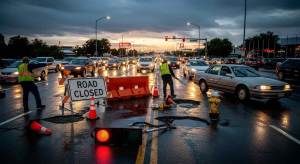
Traffic management is inherently risky. Even small oversights can result in accidents, property damage, or fines. Recognizing the hazards on your site is the first step toward prevention.
Common Traffic Control Hazards on Construction Sites
Construction sites are dynamic environments where vehicles, heavy machinery, and workers intersect daily. Key risks include:
| Hazard | Description |
| Vehicle collisions | Site vehicles and delivery trucks may intersect pedestrian or work areas. |
| Pedestrian injuries | Insufficiently marked zones or poorly positioned barriers can put workers and visitors at risk. |
| Equipment failure | Improperly maintained signage, barriers, or traffic lights can lead to accidents. |
| Driver distraction or non-compliance | Drivers unfamiliar with the site or signage may unintentionally breach safe zones. |
Understanding these risks allows managers to plan strategically, reducing both accidents and operational disruptions. According to Safe Work Australia (2022), vehicle incidents are one of the leading causes of workplace injuries in construction zones, highlighting the importance of proactive traffic management.
Risks in Public Event Traffic Management
Events like festivals or sports games create additional traffic challenges. Hazards often include:
- High volumes of pedestrians moving unpredictably
- Limited emergency vehicle access in crowded zones
- Last-minute schedule changes causing confusion and congestion
A clear traffic management plan combined with professional oversight ensures public safety while maintaining efficient traffic flow.
Regulatory and Compliance Risks
Non-compliance with Australian traffic control standards can have serious consequences:
- Legal penalties and fines for improper signage or unqualified staff
- Increased liability in case of accidents
- Reputation damage for organizations failing to meet safety standards
The Austroads Guide to Temporary Traffic Management (AGTTM) is widely used as the basis for traffic management practice and is incorporated into jurisdictional legal instruments and codes of practice — for example, in Western Australia the Traffic Management for Works on Roads Code of Practice requires that temporary traffic management be based on the AGTTM and related standards (Main Roads Western Australia, 2024).
Traffic Safety Management Consulting Strategies to Reduce Liabilities
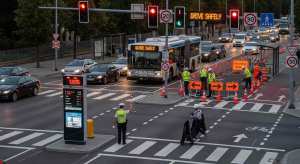
Traffic safety management consulting is more than theoretical advice—it is applied expertise that reduces risks, ensures compliance, and improves operational efficiency. By leveraging expert consulting, organizations can take proactive measures to protect their staff, clients, and visitors.
Conducting a Comprehensive Traffic Risk Assessment
Professional consultants start by auditing the site to identify hazards. Key steps include:
- Mapping vehicle and pedestrian flow patterns
- Reviewing past incident reports for lessons learned
- Highlighting high-risk zones and potential bottlenecks
A detailed assessment creates the foundation for an effective traffic management plan.
Implementing Effective Traffic Control Plans
Once risks are identified, traffic control plans are developed to reduce exposure and improve safety:
- Strategic placement of barriers, signage, and cones
- Scheduling work hours to avoid peak traffic congestion
- Assigning trained traffic controllers to high-risk areas
Management consulting helps organizations implement practical, compliant plans that reduce accidents and minimize delays.
Training and Compliance Programs
Even the best plan can fail without well-trained staff. Consulting-led training programs may include:
- On-site safety briefings for traffic controllers and staff
- Compliance updates aligned with the latest regulations
- Performance assessments to maintain high standards over time
Regular training ensures everyone on site understands risks and knows how to respond in emergencies.
Leveraging Technology for Risk Reduction
Modern technology strengthens safety measures. Tools often recommended by traffic safety consultants include:
- GPS tracking for site vehicles to monitor movement and prevent collisions
- Traffic sensors and cameras to detect congestion or unsafe behaviors
- Digital reporting systems for real-time incident logging and corrective actions
By integrating technology with management consulting strategies, organizations can move from reactive to proactive risk management.
Book Professional Traffic Control Risk Assessments Today
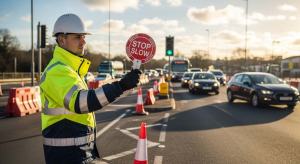
Reducing traffic control risks requires expert planning and execution. A professional traffic control risk assessment ensures your site is compliant, safe, and efficient.
Why Professional Risk Assessments Matter
Investing in a professional assessment delivers tangible benefits:
- Reduced liability – Fewer accidents mean lower legal and financial risks.
- Enhanced safety – Proper planning and expert guidance protect staff, drivers, and pedestrians.
- Regulatory compliance – Ensures adherence to Safe Work Australia and Austroads standards.
Our Traffic Control Assessment Process
At Spotto Traffic Control Services, our process includes:
| Assessment Step | Description |
| Site inspection | Evaluating traffic flow, high-risk areas, and current safety measures. |
| Hazard identification | Highlighting potential risks specific to your project type. |
| Customized traffic control plan | Designing practical solutions to manage vehicles, equipment, and pedestrians. |
| Training and technology recommendations | Enhancing safety protocols with staff education and smart tools. |
This structured approach helps clients manage risks proactively rather than reactively, saving time, money, and potential legal headaches.
Client Success Stories
Organizations that use our services see measurable improvements:
- A Melbourne construction site reduced vehicle near-misses by 35% in six months after implementing our consulting recommendations.
- Event organizers reported smoother pedestrian flow and no major incidents during large-scale festivals.
These results demonstrate the value of professional traffic management consulting and why investing in expert assessments is a sound decision.
Call to Action
Protect your site, your staff, and your business. Book your professional traffic control risk assessment today with Spotto Traffic Control Services. Our experienced team will create a customised plan tailored to your site’s unique risks and operational needs. Contact us via our online form or call us directly to discuss your project.
FAQ – Traffic Control Risks & Management Consulting
Q1: What are the most common traffic control hazards?
A: Vehicle collisions, pedestrian injuries, equipment failures, and non-compliance with regulations are the most frequent hazards on construction sites and public events.
Q2: How can management consulting help reduce traffic risks?
A: Consultants provide expert risk assessments, develop traffic control plans, train staff, and recommend technology solutions to improve safety and compliance.
Q3: Is a professional traffic control risk assessment necessary?
A: Yes. It ensures your site is safe, compliant with regulations, and helps prevent accidents and legal liabilities.
Q4: Are Austroads guides legally required?
A: While Austroads guides are not federal law, they are often adopted into state and territory codes of practice, making compliance effectively mandatory where applied.
Q5: How do I book a traffic control risk assessment?
A: Contact Spotto Traffic Control Services via their online form or phone to schedule a tailored risk assessment for your site.