Construction sites are bustling environments, full of workers, machinery, and vehicles moving in every direction. Without proper traffic control, the risk of accidents rises significantly. From collisions involving heavy machinery to pedestrian mishaps, poor traffic management can cause delays, injuries, and even legal issues. That’s why implementing effective traffic control measures is essential for every construction project. In this guide, we’ll explore safety best practices, explain why hiring a traffic control consultant spotto can make a critical difference, and show how professional services like those offered by Spottotc.com.au can ensure your site stays safe and compliant.
Understanding Traffic Risks on Construction Sites

Construction zones are complex, dynamic spaces. Workers, delivery trucks, excavators, and cranes all operate in close proximity. According to Safe Work Australia (2022), vehicle and machinery incidents are among the leading causes of workplace fatalities in Australia, highlighting the importance of robust traffic control on construction sites. Common hazards include:
| Hazard Type | Description / Risk |
| Worker-vehicle collisions | Pedestrians walking near moving equipment are at high risk of accidents. |
| Heavy machinery accidents | Improperly managed machinery zones can lead to serious injuries for workers and operators. |
| Congestion and bottlenecks | Poor traffic flow increases confusion, delays, and the likelihood of incidents on site. |
Identifying these risks early allows site managers to implement control strategies that prevent incidents before they happen.
Planning Effective Traffic Flow
A well-planned traffic layout is the backbone of construction site safety. Separating pedestrian pathways from vehicle routes is essential. Temporary barriers, cones, and clear signage can guide workers and drivers safely through the site. Best practices include:
- Designated lanes for vehicles: Separate access points for delivery trucks, equipment, and emergency vehicles.
- Pedestrian walkways: Clearly marked zones for workers to safely move around the site.
- Loading and unloading zones: Allocate specific areas for deliveries to prevent congestion.
By designing the site traffic flow in advance, managers reduce the likelihood of accidents and keep projects on schedule. This planning also makes it easier for consultants and safety officers to monitor compliance effectively.
Implementing Traffic Control Devices and Signage
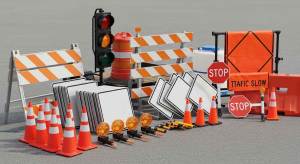
Using the right traffic control devices is critical to maintaining a safe construction environment. Barricades, cones, flags, and electronic signs alert workers and visitors to potential hazards. A traffic control consultant spotto can advise which devices are appropriate based on site size, project scope, and local regulations.
- Cones and barricades: Create safe zones and define lanes.
- Warning signs: Communicate hazards, speed limits, and detours.
- Flaggers: Direct traffic during high-risk activities or deliveries.
Following recognised Australian traffic management guidance and planning practices helps ensure both safety and legal compliance on construction sites by guiding how vehicle and pedestrian movement should be controlled under WHS laws (Safe Work Australia, 2022).
Training and Certification for Staff
Even the best traffic plans fail without properly trained personnel. Staff should hold certified traffic control qualifications to safely manage on-site traffic. Certification ensures they understand signage protocols, flagging procedures, and emergency responses. Additionally, regular refresher courses and safety drills reinforce awareness and accountability.
Investing in certified personnel not only prevents accidents but also demonstrates commitment to compliance and professionalism. For managers looking to optimize safety, a traffic control consultant spottot can help identify training gaps and recommend certified providers.
Why Hiring a Traffic Control Consultant Spotto Is Critical for Construction Projects
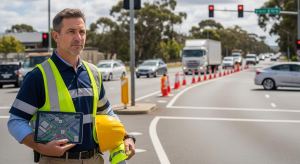
While basic safety practices are essential, professional expertise takes traffic management to the next level. A traffic control consultant spotto brings:
| Consultant Skill / Service | Description / Benefit |
| Risk assessment skills | Identifying hazards that may not be obvious to site staff, helping prevent accidents. |
| Regulatory knowledge | Ensuring compliance with state and local traffic management laws to reduce legal risk. |
| Optimized traffic flow | Designing traffic layouts that minimize congestion and improve operational efficiency. |
| Safety audits | Monitoring ongoing site operations and adjusting traffic plans as needed to maintain safety. |
Hiring a consultant Spotto can save time, reduce costs, and prevent costly accidents, all while keeping workers safe.
Case Studies: Consultant Impact on Project Safety
Consider a mid-sized residential construction project in New South Wales. Without expert input, deliveries and pedestrian pathways were overlapping, creating repeated near-miss incidents. A traffic control consultant Spotto reviewed the site, redesigned vehicle routes, and implemented additional signage. The result? A 40% reduction in reported near misses and smoother delivery schedules.
Another case involved a large infrastructure project in Victoria where the consultant coordinated directly with local authorities to secure permits, reducing approval delays by two weeks. These examples highlight how professional guidance can prevent accidents and keep projects on track.
How Consultants Assess and Plan Traffic Management
Consultants typically follow a step-by-step process:
| Consultant Spotto Task | Description / Purpose |
| Site survey | Assess existing traffic patterns, hazards, and congestion points to identify potential risks. |
| Traffic flow mapping | Design safe pathways for vehicles and pedestrians to ensure smooth and secure movement. |
| Signage and device placement | Recommend appropriate barriers, cones, and warning signs to control traffic effectively. |
| Staff training | Ensure personnel understand safety procedures and protocols for on-site traffic management. |
| Coordination with authorities | Secure necessary permits and approvals to maintain compliance with local regulations. |
This structured approach not only reduces risk but also demonstrates the project’s commitment to safety, enhancing credibility with clients and regulatory bodies.
Construction Traffic Control Services – Get Started

At this stage, it’s clear that professional guidance and proper planning are essential. Spottotc.com.au offers tailored construction traffic control services to meet every project’s needs.
Tailored Traffic Control Solutions
Whether your project is a small commercial site or a large infrastructure development, our team provides traffic management solutions. Services include:
- Comprehensive site planning and risk assessment
- Device and signage installation
- Ongoing traffic monitoring and adjustments
- Staff training and certification support
Streamlined Approval and Compliance Handling
Navigating local traffic authority approvals can be complex. Our consultants handle all permit applications and ensure compliance with Australian regulations. This streamlined approach reduces delays and keeps your project on schedule.
Ready to Enhance Your Site Safety
Don’t wait for accidents to highlight risks on your site. Investing in professional traffic control services protects your workforce, reduces liability, and ensures regulatory compliance.
Call to Action:
“Ensure your construction site is safe, compliant, and efficient—contact the traffic control experts at Spottotc.com.au today to get started!”
Frequently Asked Questions (FAQ)
Q1: What is construction site traffic control?
A: Construction site traffic control is the planning and management of vehicle and pedestrian movement on construction sites. It involves designing safe traffic flow, using barriers, signage, and trained personnel to reduce accidents and maintain compliance with workplace safety laws.
Q2: Why is traffic control important on construction sites?
A: Traffic control prevents accidents involving workers, machinery, and vehicles. Proper management reduces risks of injuries, delays, and legal liabilities while keeping projects on schedule. Sites without adequate traffic control are more prone to near-miss incidents and workplace disruptions.
Q3: What does a traffic control consultant Spotto do?
A: A traffic control consultant Spotto assesses site risks, designs traffic layouts, recommends signage and barriers, ensures compliance with WHS regulations, and trains staff. They help optimize safety and efficiency on construction projects of all sizes.
Q4: Do I need certified personnel for traffic control?
A: Yes. Australian workplace safety regulations require that personnel managing traffic be trained and certified. Certification ensures staff can safely operate traffic control devices, guide vehicles, and respond to emergencies.
Q5: How can I get professional traffic control services for my construction site?
A: Services like those offered by Spottotc.com.au provide traffic management solutions, including planning, device installation, staff training, and regulatory compliance. Contacting a professional provider ensures your site is safe, efficient, and compliant with legal requirements.
Interested in more Traffic Control information? Visit these links:
- Traffic Management Company Pricing and Costs Explained
- Understanding Regulatory Traffic Signs in QLD: Safety, Compliance, and Spotto’s Role
- Common Situations That Lead to Traffic Infringement Notices (And How to Avoid Them)
- Career Progression in Traffic Control Jobs: Roles, Pay & Growth
- The Role of Traffic Management in Construction Projects
- How Traffic Control Plans Work: From Visual Overview to Custom Solutions for Events and Worksites